Fixing a Burnt Electrical Smell, Fast
Smelling burning near a fitting, a socket or the switchboard itself? Of every symptom this trade deals with, this is the one that should never wait until the weekend.
Here is why, what you can check without risk, and what happens once your electrician in Beecroft is on site. If the smell is present right now, stop reading: isolate the circuit at the board and call (02) 9538 7444.
What a Burnt Smell Actually Means
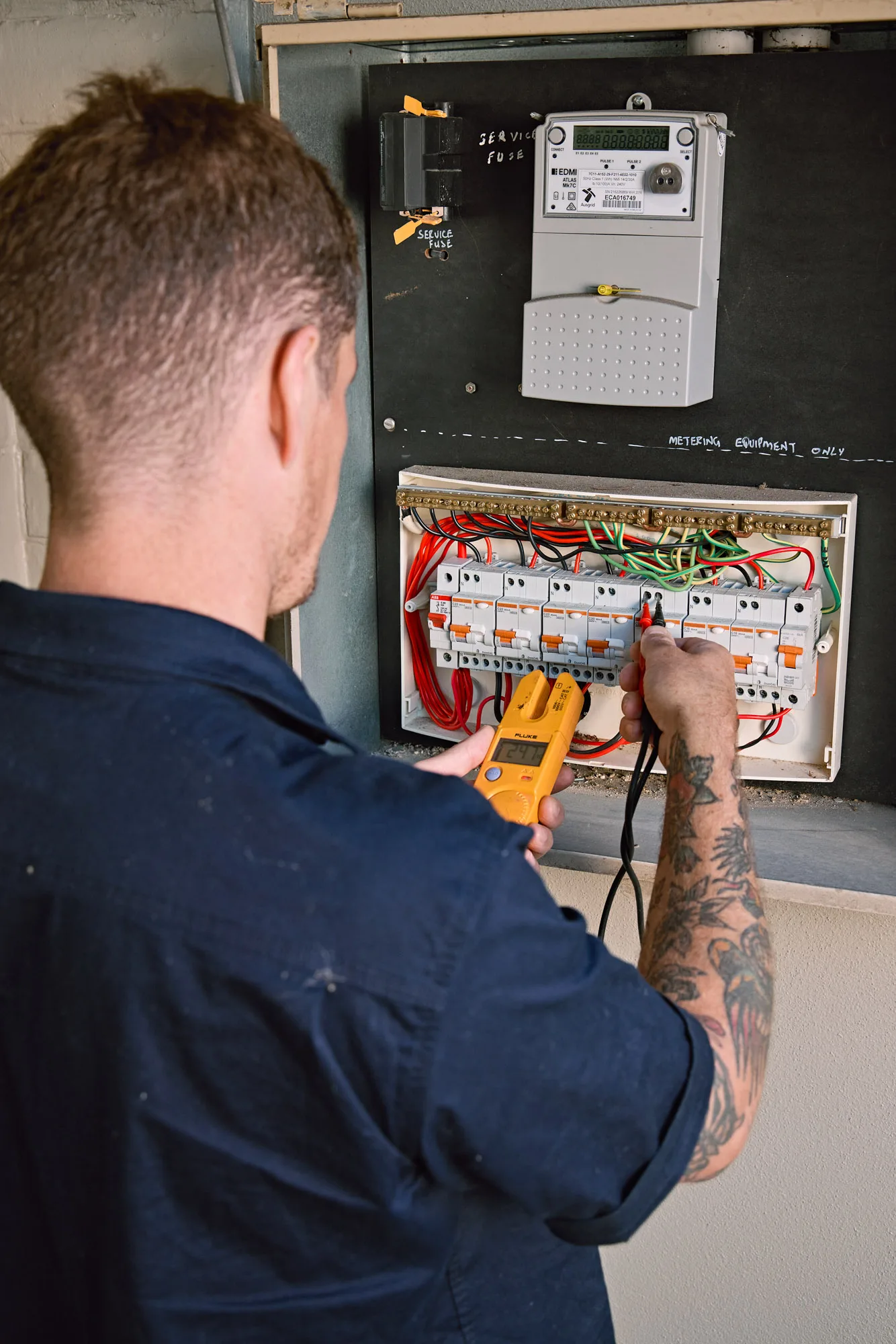
That hot, acrid whiff of cooking plastic means part of a circuit is running far above its normal temperature. The usual sources are a loose or failing connection, an overworked socket, or insulation beginning to break down.
Some components do run warm by design. Transformers, older dimmers and chargers all give off gentle heat, yet none of them should ever announce themselves by odour.
What reaches your nose is insulation or fitting plastic starting to decompose under heat it was never built to survive. It is among the most reliable early warnings a wiring system gives before an actual fire, which is exactly why it earns an immediate response.
It also rarely stays put. Whatever is creating the resistance keeps degrading under load, so the heat trends in one direction only.
What Usually Causes It
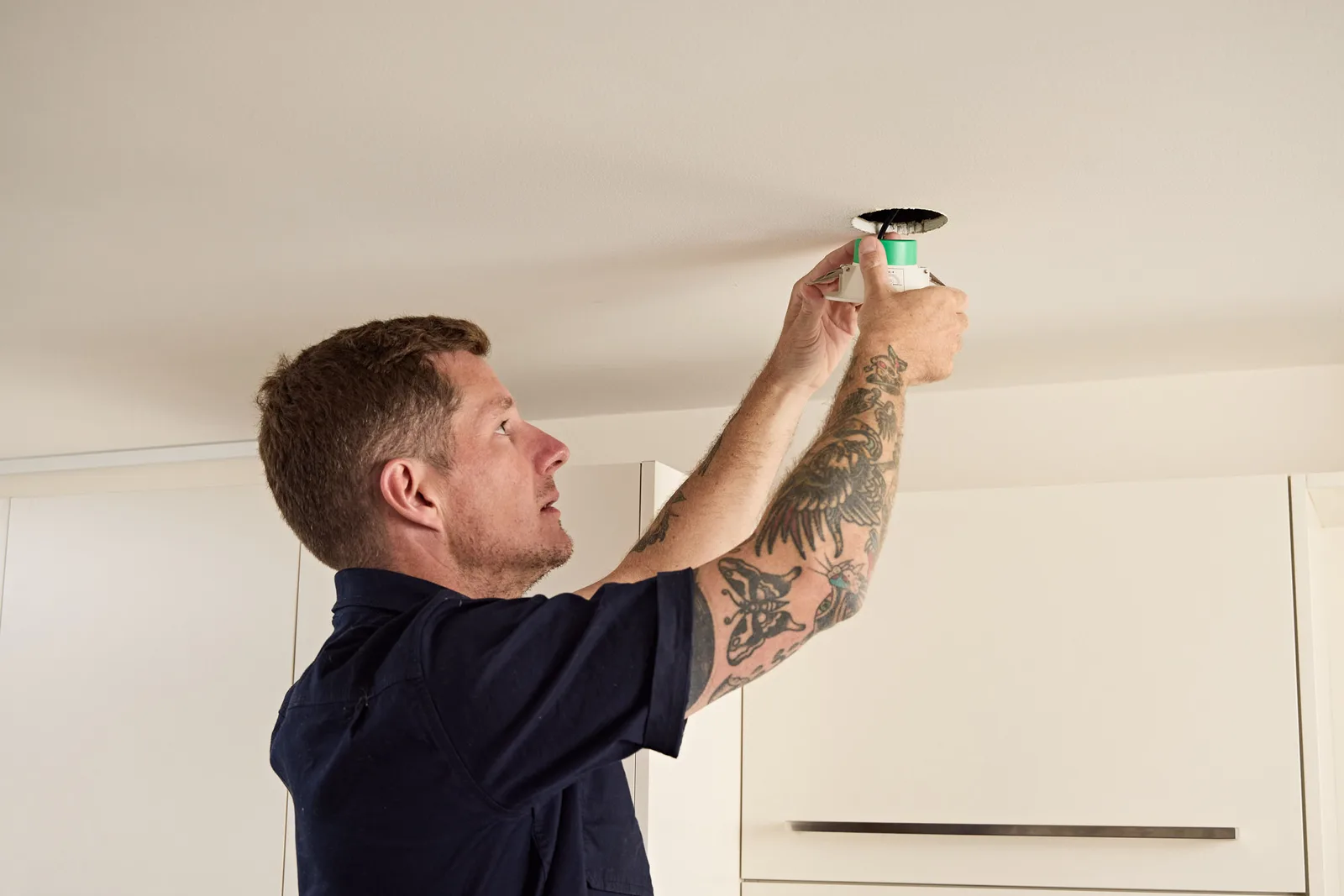
Locating the source is the whole job, because odour travels and lies about distance. Ranked by how frequently each turns out to be the answer on our jobs:
- A loose connection at a point, switch or the board, arcing faintly under load and heating everything around it.
- An overloaded circuit or socket, asked to pass more current than the hardware is rated to carry.
- Perished insulation on old cable, worn down by decades of heat cycles and now overheating under everyday use.
- A failing appliance left plugged in, generating internal heat that mimics a wiring fault.
- One overworked power board, a single socket quietly feeding an entire room's worth of gear.
- Pest damage inside a wall cavity or enclosure, rare, but occasionally behind an otherwise unexplained odour.
When a Burnt Smell Is Urgent
Every electrical burning smell justifies action today; the only variable is how fast. No version of this symptom belongs on a someday list.
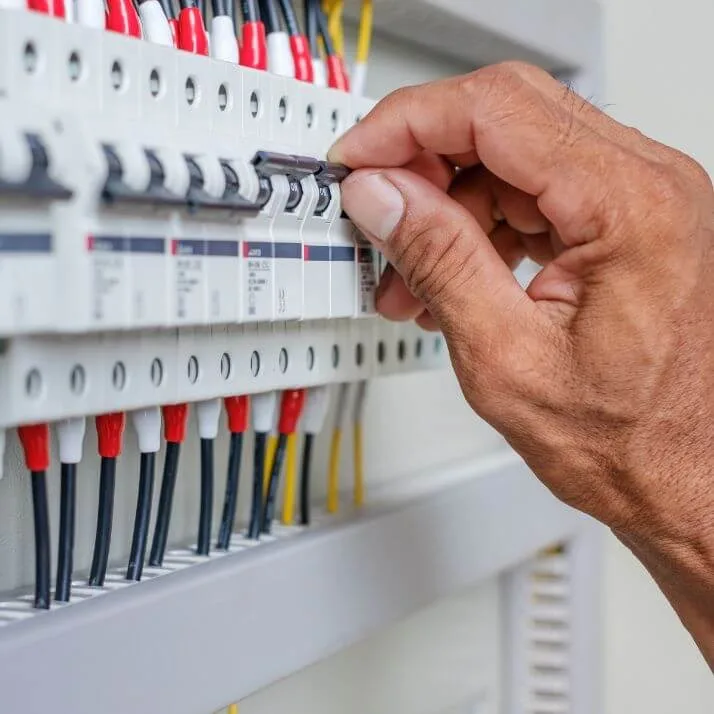
Shut off the main switch and ring us before doing anything else if you notice:
- a strong smell, or one that is clearly growing
- any visible smoke or sparking
- scorching on a fitting or the board itself
- plastic that is hot to the touch
A faint odour you cannot pin down still rates an urgent call. The source is actively overheating somewhere in the property whether or not you can see it, and watching from the couch changes nothing.
What To Do Right Now
Four safe moves, none of which involve opening anything or holding your nose closer to the source:
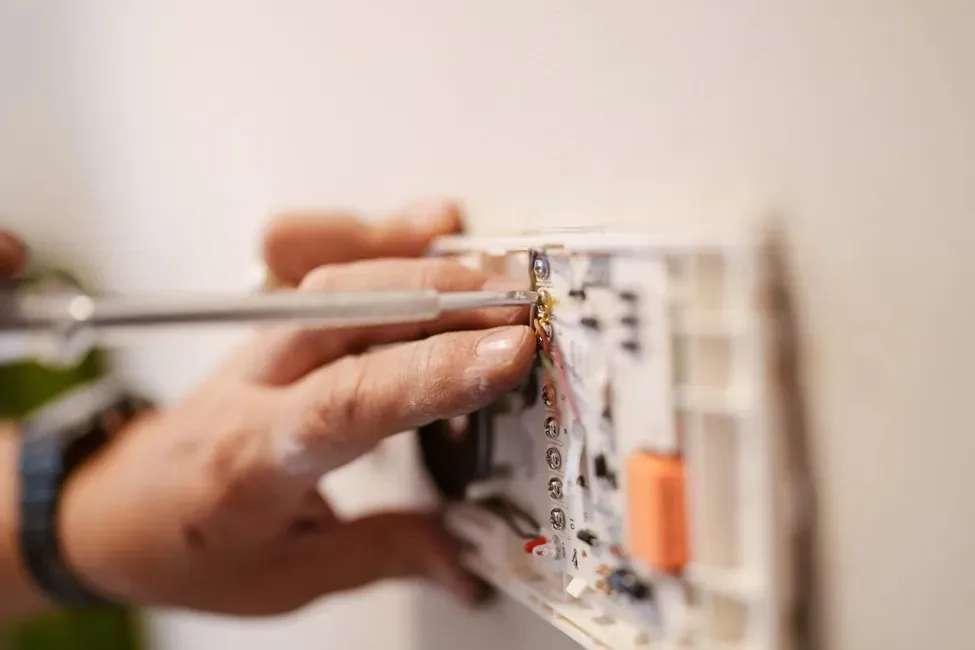
- Turn off the affected circuit at the board, or the main switch if you cannot tell which circuit is involved.
- Unplug anything nearby that could be the source, without touching a point or switch that feels hot.
- Ventilate and leave the room if smoke appears. Smoke is a fire in progress until proven otherwise.
- Call (02) 9538 7444 without delay and pinpoint where the odour is strongest.
How We Fix a Burnt Smell
This is treated as a priority fault-find, worked methodically instead of guessed at. The board gets checked first, then each suspect circuit is tested under load, with thermal imaging brought in when the heat is hiding beyond eyesight.
Once found, the damaged wiring, point or connection is replaced outright, never patched over. The surrounding cable gets examined as well, since heat damage usually reaches further than the visible failure suggests.
Where insulation has perished along a run, the entire affected section is renewed rather than the worst spot alone. Testing closes out the job, and notifiable repairs are certified.
You will know what was overheating, why, and what replaced it.
What Ignoring It Actually Costs
The tempting move is to open a window and see whether the smell returns tomorrow. Here is the honest maths on that.
A loose connection caught at the first whiff usually means one fitting replaced and an hour or two on site. The identical fault left cooking for another month can char the cable back into the wall, at which point the repair involves opening plaster and renewing a run instead of a socket.
And that is the good outcome. The bad one involves the fire brigade, an insurance assessor asking pointed questions, and a family put out of the house.
Early is cheap. Late never is.
Why This Is Common in Beecroft Homes
The wiring standards behind this suburb's Federation-era housing served a world of light globes and little else. A century later, household demand has moved a long way past them.
More to the point, many of these homes still lack RCD protection, which simply was not fitted when the walls first closed in. Without it, a developing fault can run hot for far longer before anything cuts the power, giving heat extra time to work.
Around Arden Anglican School and the older village streets, plenty of period properties carry exactly that gap. Nothing has necessarily gone wrong yet; the protection just is not standing guard.

Preventing the Next Burnt Smell
Fitting RCD protection where it is missing is the single most effective step, because it kills power before a developing fault can build serious heat. Small job, outsized return.
Beyond that:
- Put a new switchboard on the list where the existing one is original or leaves circuits unprotected.
- Have suspect points and fittings repaired properly instead of working around them.
- Retire the overworked power board before it becomes the room's permanent supply.
- Get pre-war and interwar wiring assessed periodically, particularly in a house that has never been rewired.
Other Faults We Chase Down
A smell concentrated at one blackened socket is its own scenario, covered in depth on that page. If the odour arrives with a humming or crackling switchboard, read that one as well.
We chase the same urgent faults through Carlingford and Epping, with the identical priority given to anything that smells hot.


Get in Touch Today Before It Gets Worse
A burning smell only ever escalates. Isolate the circuit, then call (02) 9538 7444; we will talk it through on the spot and get out to you quickly, often same or next day when it is not an outright emergency.
Common questions
Your Burnt Smell FAQs
What people ask us in the moment something in the house smells hot.
How much does it cost to fix a burning smell from an electrical fault?
It depends on what's found once we've traced the source, from a single fitting replacement to more involved rewiring behind a wall. We give a free, fixed written quote once the fault is located, so you know the number before we proceed.
Is a burning smell from electrical always an emergency?
Treat it as urgent every time, even if it's faint or comes and goes. A burning smell is one of the few electrical symptoms that should never just be monitored, because by the time it's noticeable something is already overheating.
How do you actually find where the smell is coming from?
We work through the property systematically, checking the switchboard first, then power points, switches and any fixed appliances on the affected circuit, using thermal imaging where it helps pinpoint heat that isn't yet visible.
Will you give me a certificate once the fault is fixed?
Yes, where the repair counts as notifiable electrical work. You'll get a Certificate of Compliance confirming it was fixed and tested to the wiring rules, useful for your own records and for insurance if it's ever needed.
Can old wiring cause a burning smell even with no obvious fault?
Yes. Insulation on old wiring can degrade slowly and start to overheat under normal load, well before it fails outright. The smell is often the first sign, appearing before anything visibly trips or stops working.
Do you handle burnt smells in strata or apartment buildings in Beecroft?
Yes. Shared switchboards and risers sometimes need coordination with the owners corporation, but we can talk through what's involved and get someone out to assess it properly.